Short answer: A swim spa is often the better fit for Vancouver Island homeowners who want year-round warm-water use, fitness, recovery and a more contained backyard project. An in-ground pool is usually the better choice when you want a larger swim and play area, space for several people at once or a fully custom landscape feature.
The best choice is not only about how it will look on a sunny July afternoon. It is also about how you want to use it when the weather turns cool and wet.
How do swim spa and in-ground pool costs compare?
A swim spa often has a more contained project scope than an in-ground pool. It generally avoids the full excavation, permanent pool shell and extensive on-site plumbing that come with building an in-ground pool. That can make it a more accessible route to a backyard water feature, but the final cost depends on the model and site.
For a swim spa, budget for the unit, a stable level base or properly engineered deck, delivery access, qualified electrical work, steps or surrounding hardscape, and any local requirements. Tight access, steep grade, trees or neighbouring structures may add delivery or crane planning. Proper drainage and service clearance also matter.
An in-ground pool is a broader construction project. Beyond the pool itself, the budget may include excavation, rock or soil work, drainage, plumbing, electrical, heating, filtration, a cover, safety measures, inspections, decking and landscaping. Pool size, material, access, water-table conditions and utility locations can all affect the final investment.
The practical cost question is this: Which completed project fits your yard, routine and budget? A simple swim-spa installation can be a notably smaller project than an in-ground pool. A premium model, a built-in design or difficult delivery access can narrow that gap. A site-specific conversation is more valuable than a headline price.
Why Vancouver Island’s climate matters
Vancouver Island is mild by Canadian standards, but it is not reliably warm enough for an uncovered outdoor pool to feel inviting all year. At Victoria Airport, the 1991–2020 normal daily average was 4.6 °C in January and 17.2 °C in July. The station recorded 901.2 mm of annual precipitation, including about 292 mm in November and December combined.
That is why comfort, cover use, wind exposure, drainage and shade deserve as much attention as square footage. A heated swim spa can support a morning workout, an evening soak or low-impact movement through more of the year. An in-ground pool can also be heated and used beyond summer, but the heating plan and cover become important operating decisions.
No honest comparison should promise one monthly energy cost for every home. It depends on the equipment, water temperature, cover, weather exposure, usage and rate plan. BC Hydro’s residential tiered rate charges a higher price after the billing threshold, so a personalized estimate is more useful than a generic online claim.
Year-round versatility. A swim spa combines warm-water relaxation with movement and exercise in one compact feature. It can suit households that want to use the backyard more often than a short summer swim season allows.
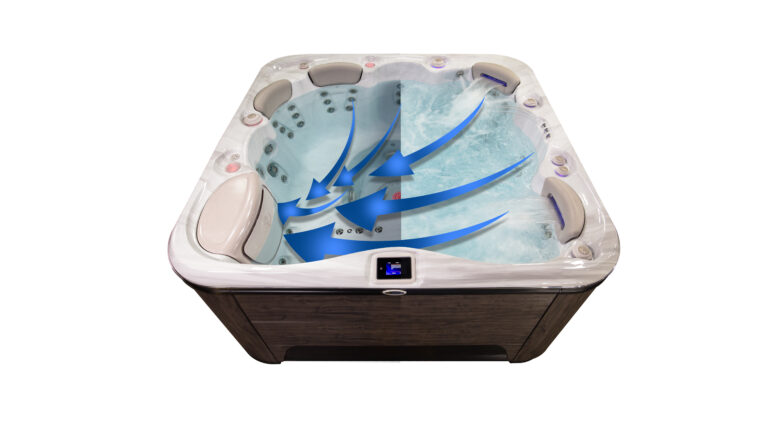
Fitness in a smaller footprint. A swim-current system lets a person swim in place rather than turn at a pool wall. Depending on the model, swim spas may also support water walking, resistance exercise and other low-impact workouts.
A contained construction plan. A swim spa still needs proper foundation, electrical and delivery planning. However, it generally avoids the long excavation and build sequence associated with an in-ground pool.
A blend of activity and recovery. Many swim spas include both a swim area and seated hydrotherapy space. That makes it possible to use the same feature for exercise, relaxation and family time.
Important note on maintenance: A swim spa is not maintenance-free. It still needs regular water testing, balancing, filter care and cover care. Good filtration and water-care features can streamline routine work, but they do not replace it.
When an in-ground pool is the better fit
An in-ground pool is hard to beat when your priority is space. It gives several people room to swim, play and spread out at once. It can also be the right choice when you are building a custom backyard around a permanent pool or want unrestricted laps rather than swimming against a current.
The trade-off is a larger construction, landscaping and seasonal-operation commitment. If a big, social swimming space is your goal, that additional planning may be exactly what makes an in-ground pool worthwhile.
A quick decision guide
Choose a swim spa when you want frequent warm-water use, a compact fitness option, seated relaxation and a more contained installation plan.
Choose an in-ground pool when you want maximum swim space, room for many people, a deep or custom pool design, or a backyard built around summer entertaining.
Before choosing either option, consider access to the yard, grade, drainage, trees, shade, wind, electrical capacity, local requirements and how you will use the water from fall through spring.
Frequently asked questions
Is a swim spa cheaper than an in-ground pool?
Often, a swim spa has a smaller overall project scope because it does not usually require full excavation and permanent pool construction. The final difference depends on the model, base, access, electrical work and finish level. Compare complete project quotes rather than only the advertised equipment price.
Can you use a swim spa year-round on Vancouver Island?
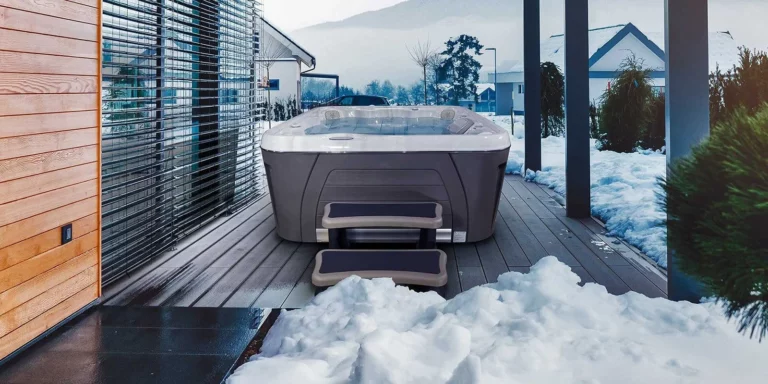
Yes. A properly installed, heated and covered swim spa can be used year-round. Local rain, shade, wind exposure and the chosen water temperature will affect comfort and operating cost, so site planning matters.
Is a swim spa big enough for swimming?
It can be for stationary swimming and water-based fitness. A current system lets a swimmer work against moving water in a compact footprint. A traditional pool remains the better choice for several swimmers at once or long, unrestricted laps.
Does a swim spa need a concrete pad and an electrician?
A swim spa needs a stable, level foundation that can carry its filled weight. That may be a concrete pad or a properly engineered reinforced deck. It also needs qualified electrical installation, along with practical planning for delivery, drainage and service access.
Does a swim spa need maintenance?
Yes. Regular water testing, balancing, filter care and cover care are part of ownership. The right model and water-care routine can make that work easier, but no swim spa or pool is maintenance-free.
Explore swim spa options with Rainforest Outdoor Living
Rainforest Outdoor Living serves homeowners throughout Vancouver Island with swim spa guidance, Hydropool swim spa options, water care and ongoing service support.
Explore Hydropool swim spas at Rainforest Outdoor Living and start with a conversation about your intended use, site access, base, electrical needs and backyard plan.